



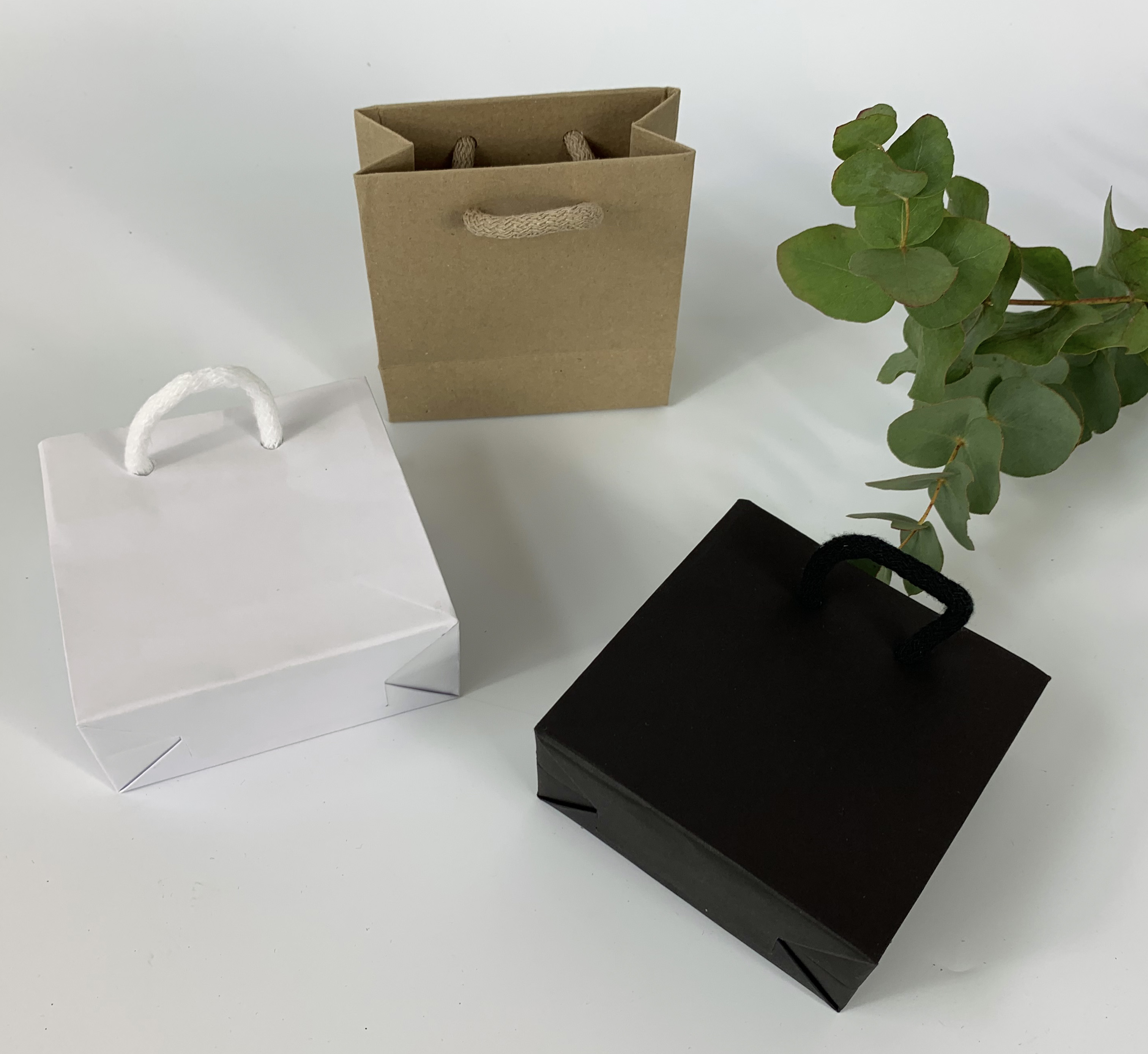
Increasing environmental pollution and rising disposal costs mean that reusable packaging is becoming more and more important. It offers a sustainable alternative to disposable packaging and enables companies in the packaging industry to save resources and operate more economically. What exactly is reusable packaging and how can it be used effectively?
Advantages of reusable packaging
Sustainable packaging has numerous advantages – both environmentally and economically:
- Waste reduction: Large quantities of packaging waste can be reduced by using reusable systems. This is not only environmentally friendly, but also reduces disposal costs.
- Cost efficiency: The purchase of reusable packaging is more expensive at the beginning, but in the long term, reusable packaging pays off significantly due to the possibility of using it several times.
- Good for the image: companies that use environmentally friendly packaging improve their image – this is a big plus point, especially for environmentally conscious consumers.
- Sustainability within the company: using durable packaging significantly reduces your carbon footprint.
You can also find more information and inspiration on the topic of sustainability in our section for environmentally friendly packaging.
Challenges and solutions
The switch to reusable packaging often comes with challenges that need to be overcome in order to reap the benefits in the long term:
- Logistics and management: The management and recycling of your reusable packaging requires well thought-out processes and possibly new infrastructures within your company.
The solution? Digital tracking systems can help you keep track of everything. - Hygiene requirements: Especially if your company operates in the food sector, hygienic preparation of your reusable packaging is highly important.
The solution? For example, flushable materials and certified cleaning cycles to ensure safety and cleanliness. - Initial costs: The initial investment can be high, which not every company can afford.
The solution? Funding programs, leasing systems or even a rental system can help and often offer attractive entry-level options.
Application examples
Reusable packaging is used in a wide variety of industries today:
- Food industry and gastronomy: Reusable cups reduce single-use plastic enormously, as do transport boxes or reusable food boxes.
- Retail and e-commerce: Foldable boxes and fabric packaging solutions are used in particular for shipping and returns.
- Logistics & Industry: Pallets with a long service life are now standard in many companies that pay attention to sustainability.
Environmental aspects and sustainability
Reusable packaging protects the environment, especially through:
- Resource conservation: durable materials save raw materials
- CO₂ reduction: Reduced energy consumption during production and disposal
- Circular economy: reuse of packaging promotes the transition from a throwaway society to a circular economy
The use of reusable packaging is a crucial building block for sustainable supply chains and future-oriented corporate strategies. Those who invest early will gain a competitive advantage in the long term.
FAQ – Frequently asked questions about reusable packaging
Which materials are commonly used for reusable packaging?
The most common materials used for reusable packaging include robust plastic (e.g. PP, PE), aluminum, stainless steel or even textiles such as cotton or recycled polyester.
How do companies manage the switch from disposable to reusable packaging?
Employee training, cooperation with suppliers and the use of take-back systems can facilitate a smooth transition.
What are the legal requirements for reusable packaging in Europe?
In Europe, the Packaging Directive and the Waste Framework Directive promote the use of reusable packaging. The focus here is on waste prevention - which is why companies are increasingly obliged to offer sustainable alternatives for their packaging.