



Sustainably wrapped gifts are becoming increasingly popular for good reason, as they protect the environment and rely on reusable materials instead of disposable paper. Regardless of the occasion — with the right ideas, you can not only create beautiful gift packaging, but also make a statement for more environmental protection.
Choosing suitable reusable materials
The choice of material is the first step towards environmentally friendly packaging. There are several options that can be used:
- Fabrics and cloths such as old scarves, tablecloths or fabric remnants can be used for packaging.
- Gift bags made from cotton, sturdy paper or even felt can be used in a variety of ways.
- Scarves or bandanas are soft, look elegant and are ideal for furoshiki techniques.
- Boxes, crates or baskets are particularly suitable for combining several small gifts with one another.
- Natural products such as twigs or dried flowers lend a sustainable touch to any packaging.
Tip: In our section for environmentally friendly packaging, you can find more sustainable ideas and products for every packaging style!
Creative design ideas and techniques
Beautiful gift-giving starts with the packaging: this is where you can unleash your creativity. The Japanese furoshiki technique is particularly popular. Here, gifts are embedded in fabric and artfully knotted — without tape or paper. Here are some more creative ideas:
DIY gift wrapping made from old items of clothing or homemade fabric ribbons are great alternatives. A good combination of gift and packaging is, for example, a tea towel that also serves as packaging. Reusable gift bags are also becoming increasingly popular.
Whether rustic, playful or minimalist — each of these methods is creative, unique and creates an unforgettable unwrapping experience.
Practical tips for everyday life and special occasions
Reusable packaging can also be used in everyday life and can make all the difference, especially for small gifts. Here are some tips for success:
- Proper, dry storage of reusable materials is important.
- Use removable labels and tags — so the packaging can be passed on later.
- Experiment with different materials for particularly unique results.
Environmental benefits and cost savings
The environmental aspect is also a strong argument here. While traditional gift packaging often ends up in the bin after unwrapping, reusable packaging is used several times and therefore saves resources. Here are some of the advantages:
- Less paper consumption and plastic waste
- Reduction of CO₂ emissions by saving on new production
- Reuse instead of throwing away: ecologically sensible and creatively unique
Fabric packaging or gift bags pay for themselves financially after just a few uses. This also makes them the ideal solution for sustainable brand appearances.
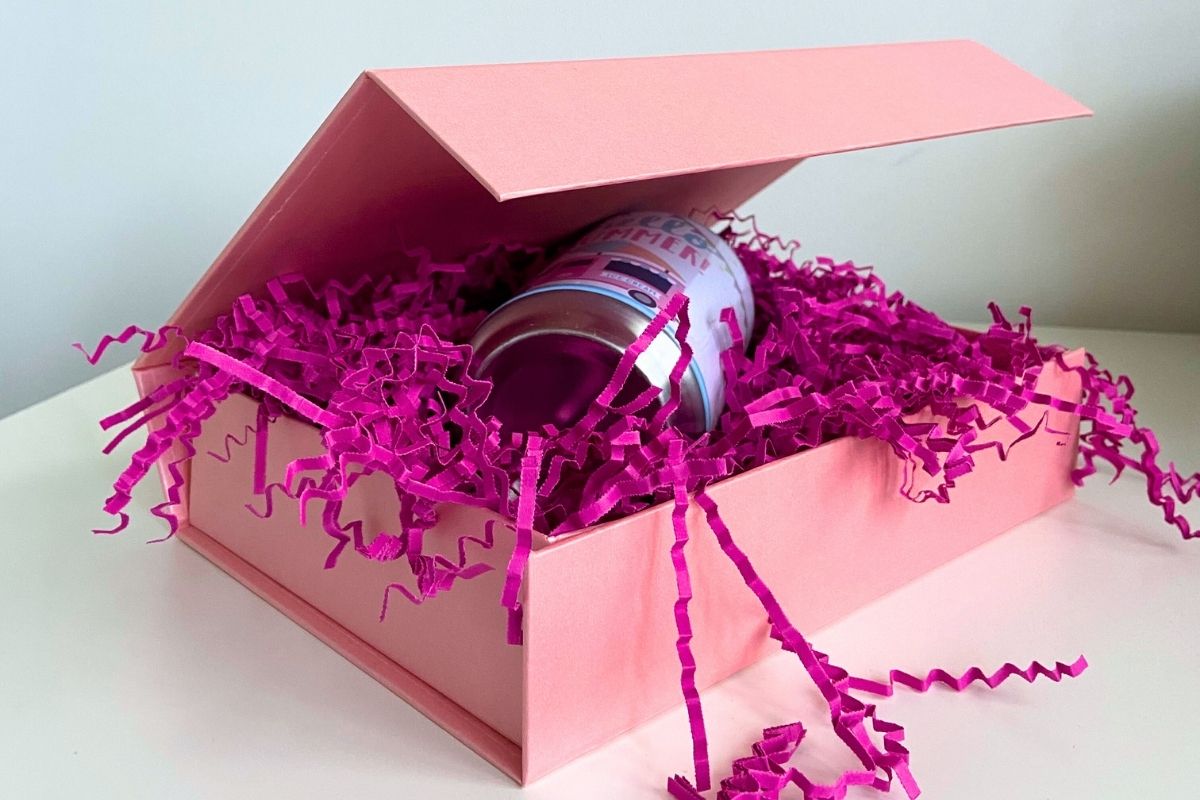
Reusable magnetic boxes
High-quality magnetic boxes are not only elegant gift packaging, but also remain versatile afterwards. Many customers use them as storage boxes to store cherished items in style. With an elaborate design, the packaging becomes a collector's item and will be remembered for a long time!
FAQ — Frequently asked questions
- What types of reusable gift packaging are there?
- Be creative — there are no limits: cloth wraps, gift bags, baskets, boxes, scarves, tea towels or reusable bags.
- How does furoshiki gift wrapping work?
- The Japanese technique of furoshiki is a tradition in which gifts are wrapped in square cloths and secured with several knots. This creates a unique look that is not yet widespread in the western world.
- What materials are used to make reusable gift packaging?
- Reusable materials are usually natural products such as cotton, linen, felt, jute or recycled materials such as reusable paper or other biodegradable materials.